How Daisy Started: Putting a Finger on the Algorithm’s Scale
Organic reach works like an audition, and it’s over fast. Here’s how Daisy went from 100 $20 bills at Tao to 6,000 creators boosting brand content.

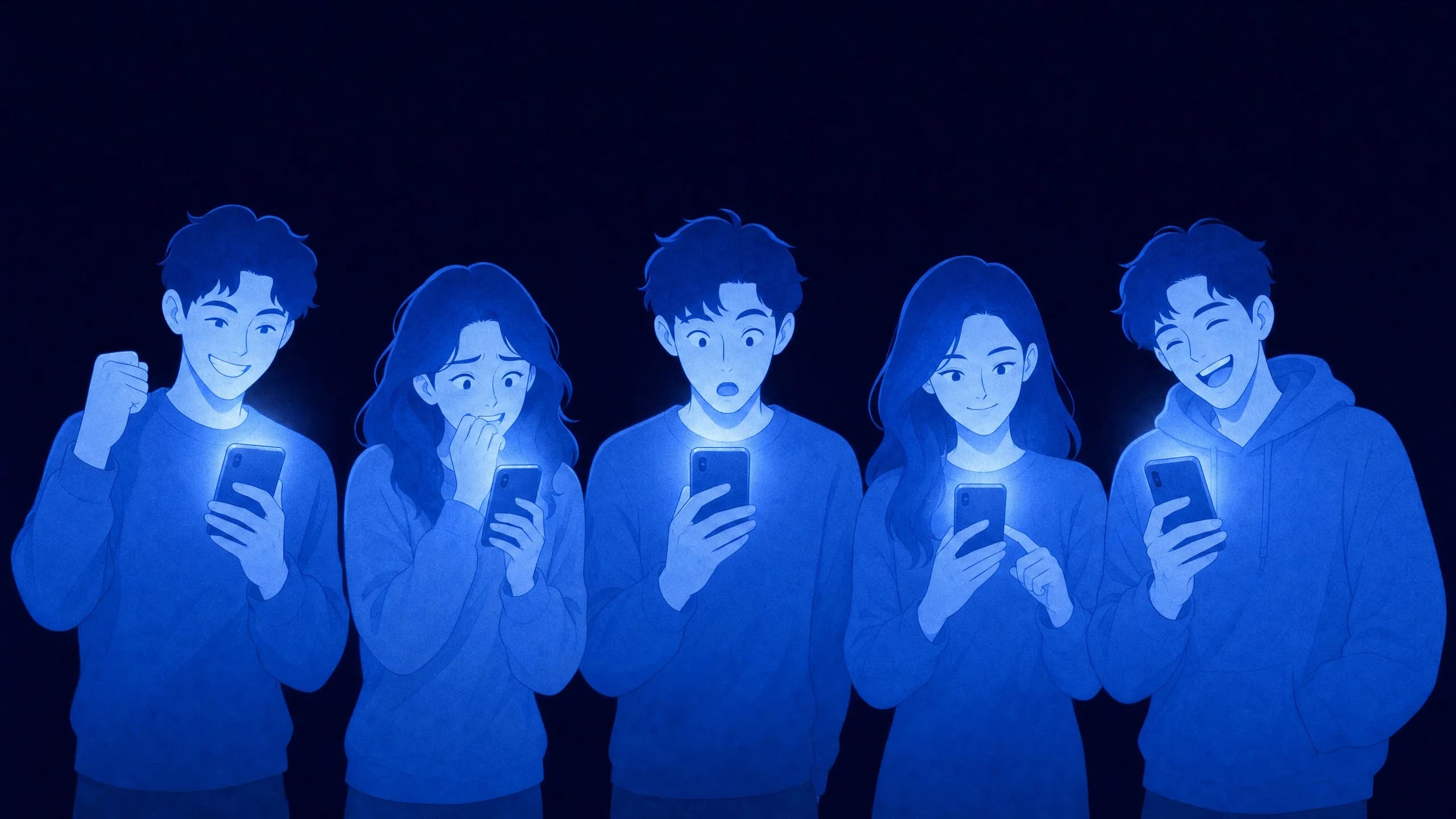
If you’re a social media manager, a creator, or anyone who posts on social, you know this game. You check your analytics to see who’s watching, what they’re watching, and what time they’re online. You make the content people like, you post it when they’ll see it, and you set yourself up for the maximum number of eyeballs. And I bet you even go the extra mile: bullying your coworkers, friends, and partners into interacting with it in the first few minutes after you post.
Wait, save it! I heard saving the post is even more important than liking it!
Ooh, can you ask a question in the comments for me? I need something for our community manager to respond to.
Will you share my post to your story? You have the most followers in the office.
We all know this does something. You have a hunch. What if I told you we studied that hunch? Daisy took the black box of the mythical social media algorithm and made it concrete and science-backed. Then we built a way for you to put your finger on the scale and stack the odds in your favor. (Hello, Hunger Games reference. What’s more Hunger Games than trying to get a brand’s organic social to gain traction?) My founders hate when I say we know what makes something go viral, but let’s be honest: we do.
How organic reach really works: the algorithm’s audition
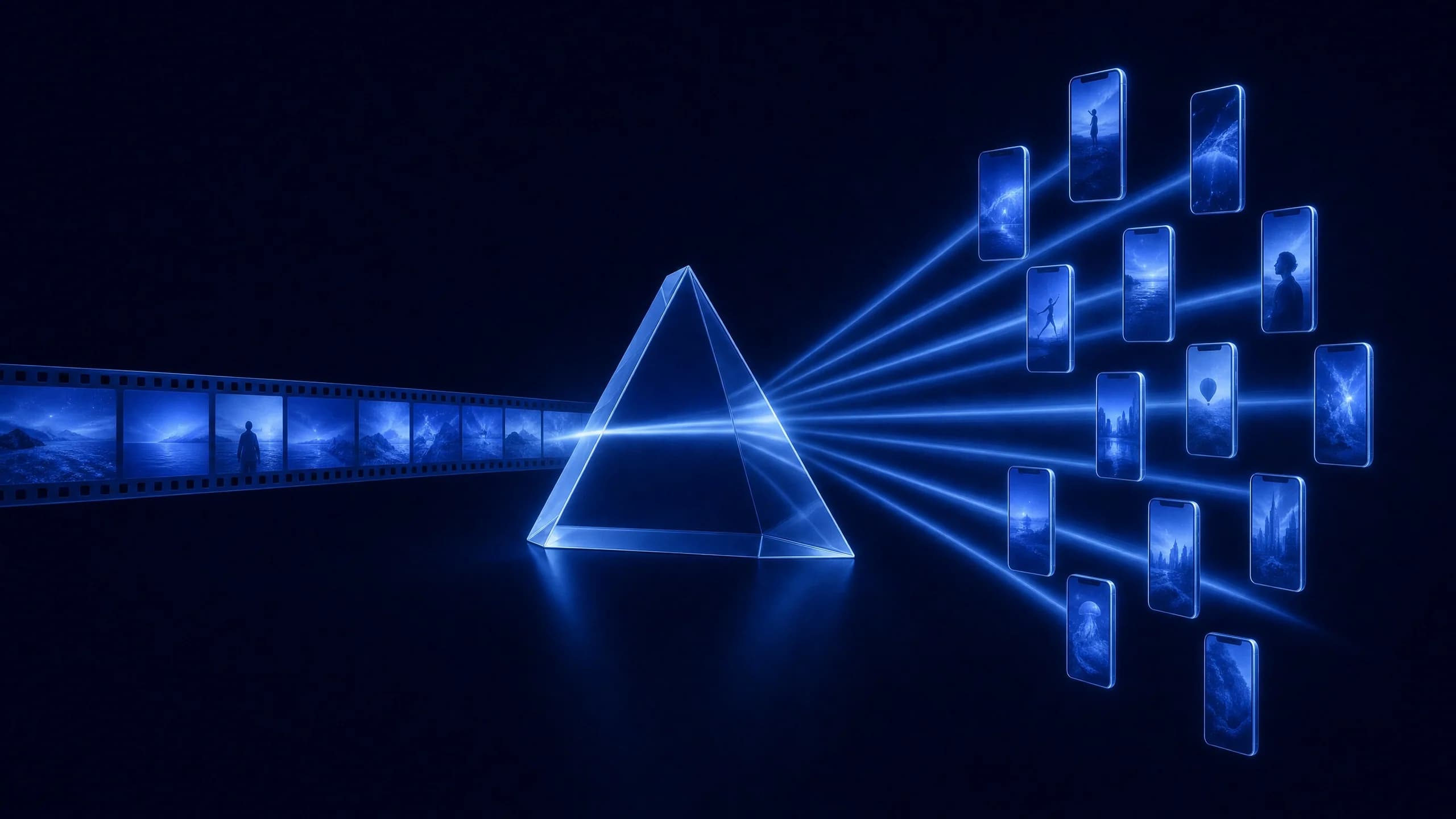
Organic reach works like an audition. You post a video, and the platform shows it to your audience plus a small group of people who don’t follow you. (Let’s be real, at this point, sometimes it feels like the platforms don’t even always show it to the people who follow you.) If that small group likes it, comments on it, or engages with it in any way, the platform goes, “Oh, people like this,” and shows it to a slightly bigger audience. Same game: if they engage, it goes wider, and so on and so on, until the algorithm decides this is the one and broadcasts it.
That’s when your post lands on the ever-desired, ever-sought-after FYP (or Explore, if you’re an Instagram-head). You’ve made it. Your post has breakaway velocity. Video velocity is how fast your views are climbing (views per hour), and it’s what decides whether the algorithm keeps pushing your post. Even Adam Mosseri, the head of Instagram, has explained that Explore looks at how many people are liking, commenting, sharing, and saving a post, and how quickly.
Here’s the part most people don’t know: the audition is over fast. Our data science team tracked 1,910 Instagram videos hour by hour. By hour three, early performance already explained at least 80% of where a video ended up on day six. By hour 12, its fate was basically locked in. And once velocity started to drop, not one of the unboosted videos we tracked got a second wind. So yes, bullying your coworkers in those first few minutes does something.
Where Daisy came from
Velocity is what Daisy was built to capitalize on. The idea started with the thing we all already do: a game of telephone (or a “Daisy chain,” hence our name). You post, then you text your group chat to comment, share, repost, etc. Boom: audition passed, video hits the FYP.
So we thought, what if the people engaging weren’t just your everyday Joe Schmos? What if they were creators? When an influencer or content creator shares something, their audience pays attention, right?
Brands love working with creators. They know creator content can go light-years beyond a brand’s page posts. But influencer and creator marketing is time-consuming and painful on both sides.
For brands, it’s expensive and difficult to scale. For creators, the money is great, but every video takes weeks to plan, shoot, edit, and deliver, all while they feel like they’re selling out to their audience and losing trust with every product they try to hawk.
So we built the bridge: creators share content brands have already made. Branded content performs, and creators get paid, without the hassle. No filming, no editing, no back-and-forth.
The first Daisy activation: a party at Tao
The very first Daisy activation was analog (as analog as you can get when you’re working in social media). We threw a party at Tao (fancy) and invited about 100 content creators, each with 100K+ followers. Our CEO, Ray, showed up with one-hundred $20 bills and AirDropped an Instagram Reel link to every creator. He told them: “Share the post to your story, come show me, and I’ll hand you $20.”
The creators went wild. $20 for what, three clicks? Click the link, hit share, hit post. It took five seconds, and they were $20 richer.
We knew right then that we were onto something. These are creators with giant audiences who negotiate six-figure brand deals. So we asked them: would you engage with branded content for $10? $20? $30? They said, “Hell yeah.”
The first digital version of Daisy was a Google Doc. Our team would drop a link, creators would take action and send us screenshots, and we’d Venmo them. We even pre-wrote recommended comments in the doc and deleted each one as it went live, so no two creators posted the same thing. It was super manual, but it worked.
Where Daisy is now
Now, Daisy has scaled to over 6,000 creators (with an average following of 250K), has paid out over $2 million, and works with some of the biggest brands in entertainment, music, and consumer goods. The Google Doc is an app, the screenshots are verified automatically, and the Venmo requests are same-day payouts.
And we’ve proven it works. Our data science team (ex-TikTok) compared boosted videos with matched videos that weren’t boosted. A Daisy “Boost” (a term coined by our earliest creators) drove 4x the velocity in the first four hours and 121% more views by day six. You can get the full breakdown in our velocity report.
Creative isn’t the only lever anymore
Until now, social media managers and strategists had only one lever to pull: creative. Make more of the content that performs and less of the stuff that doesn’t. But our research showed us that even good content dies when it doesn’t pass the audition. That’s the second lever: distribution. You don’t have a content problem, you have a distribution problem. With Daisy, you can boost organic social content to pass the audition and watch it soar.
Ready to put your finger on the scale? Book a demo. And if you’re a creator who wants to get paid with your camera off, download the Daisy app and start boosting today!